
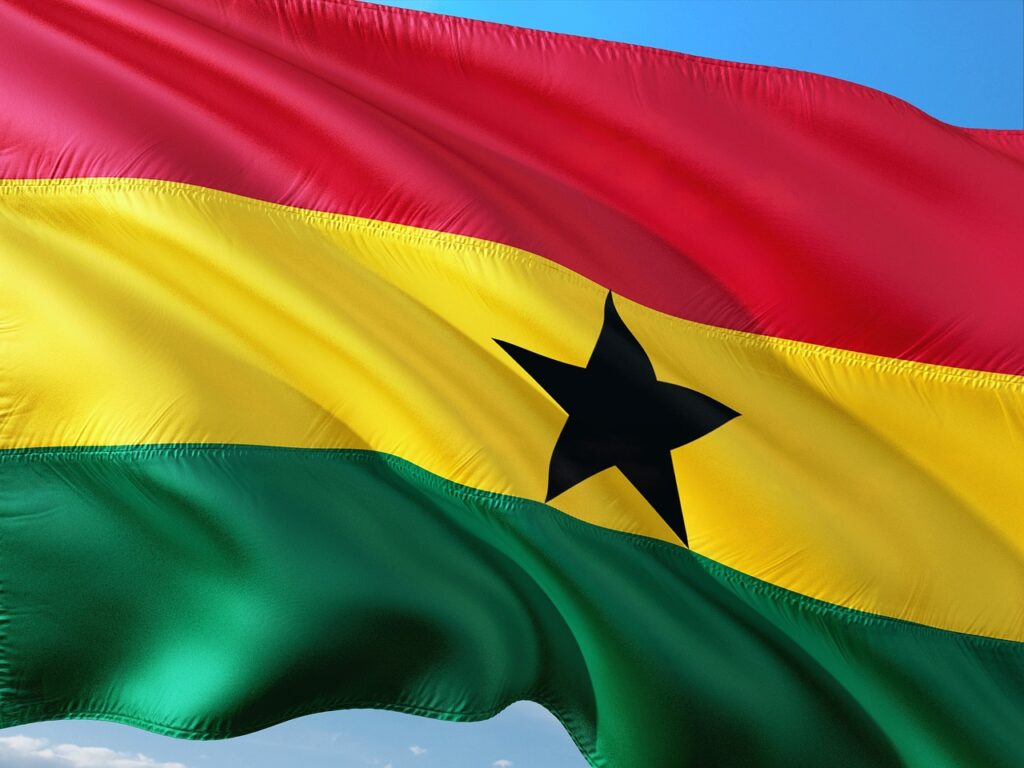
Multiparty Democracy in Ghana
Ghana moved to multiparty democracy in 1993, after the implementation of the 1992 Constitution in April 1992. Since then, the country’s multiparty democracy has evolved into a two-party democracy, giving rise to two massive duopolies: the National Democratic Congress (NDC) and the New Patriotic Party (NPP). Despite their outward differences, the two parties have been comparable in terms of governance.
There was a lot of unrest in Ghana between 2014 and 2016, particularly among the youth, while the NDC was in control. The economy was in shambles, with high unemployment, interest rates, inflation, and skyrocketing debt levels, all accompanied by a quickly declining cedi, erratic power supply (dumsor), and rampant corruption.
The governing administration attributed some of the grave circumstances to outside forces like the global commodities crisis. State appointees, meanwhile, were living luxuriously and opulently in the middle of this pain and misery. Disappointment, despair, and contempt for the government were the frequent words used on the street.
During this time, the NPP established itself as a credible option that was equipped with all the solutions to Ghana’s issues. Leading party figures, including the vice presidential candidate at the time, spoke out against President John Mahama’s government in a number of lectures and media appearances, claiming that it was inept, insensitive, and had fallen short of expectations.
Consequently, by the 2016 general election, both local and foreign surveys had projected the opposition as the undisputed favourite. The election results were historic because, for the first time in the nation’s history, the NPP’s presidential candidate won with a resounding 53.6% of the vote. The NPP also earned a resounding majority in parliament, taking 169 seats to the NDC’s 106. The devastating defeat demonstrated the masses’ dissatisfaction with the ruling party.
Six Years On
The country is once again in the same situation, but, this time the major parties have their responsibilities switched around. The debt-to-GDP ratio has risen to unsustainable proportions, at about 80%, while the unemployment rate has risen to 13.4%, inflation is hovering at 40%, interest rates are over 25%, and the rate of inflation is around 23.6%. The cost of living is growing at an alarming rate, and fuel costs rise nearly every week with an adjoining increase in transport fares.
While the ruling class is living in splendour to the scorn of the average Ghanaian, corruption has grown rampant in the midst of this economic turmoil. Once more, the current administration attributes the economic crisis to outside forces like the Russia-Ukraine war and the COVID-19 epidemic. The NDC, which is currently in opposition, accuses the current administration of being ineffective and inefficient.
The Reality
The two parties are just two sides of the same coin, acting in the same manner yet holding varying ideas on many subjects depending on whether they are in power or in opposition. When they are in charge, they contend that exchange rate depreciation is a result of the basic makeup of the economy; when they are in opposition, they accuse the other side of poor management and ineptitude.
They argue that taxing is the best fiscal policy when they are in office, but when they are in opposition, they contend that spending cuts are a better option than tax increases. When they are in power, they justify corruption by asserting that everyone is guilty of it; when they are in opposition, they list and make public the numerous instances of corruption.
Between a rock and a hard place
So, despite Ghana’s reputation as an African pioneer in democracy, what options do its citizens truly have? Instead of voting for the greater good, Ghanaians go to the polls every four years to choose the lesser of two evils. They are well aware that the current administration has been terribly ineffective in leading the country, but they are also cognizant of the fact that the opposition has not shown itself to be a more effective solution to our problems. These actions by the parties undermine popular support and jeopardize Ghana’s Fourth Republic.
Our Democracy Must be Saved
The country commemorated the 43rd anniversary of the June 4 uprising a few months ago. Already, there have been subtle calls for the country to be served its portion of the medley of coups going about within the sub-region.
If we wish to alter our country’s course and preserve our valued democracy, constitutional revisions have been overdue.