
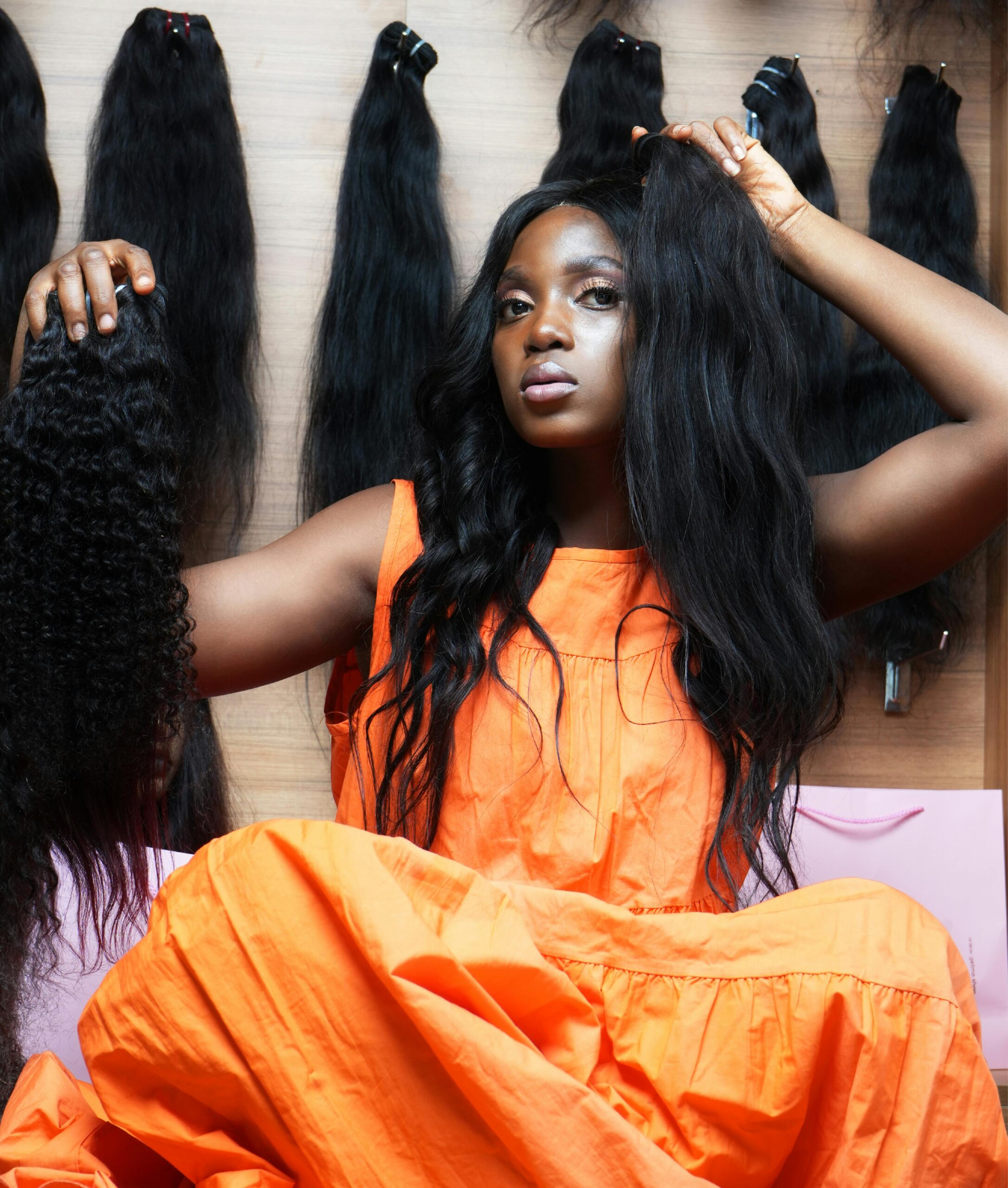
Self-expression does not just occur within; it can also occur externally as people will experiment with different types of clothing, makeup looks, and hairstyles.
It is important for several reasons, the main ones being that self-expression boosts self-confidence and helps manifest one’s authentic self through different styles and appearances that reflect one’s personality, feelings, and lifestyle choices.
How hair connects to Black culture
Within the Black community specifically, there is a noticeable divide when it comes to how Black women and girls wear their hair. When they wear their hair in its natural state, typically in an afro or any low or high puff styles, they risk being subjected to ridicule. If their hair is typically of a four-type texture, they’ll often receive negative comments about having “nappy” hair. Some will even tell these young girls and women that their hair would look more attractive if straightened.
Hair means a lot for people of colour. Every now and then, women and girls of colour experience difficulty celebrating their hair and elating its connection to their culture. The root of this issue often stems from either racism or texturism.
A memorable case of a young girl receiving scrutiny for wearing her natural hair would be Blue Ivy Carter, the daughter of singer Beyonce and rapper Jay-Z. From the time Carter was a baby, she has been the butt of people’s jokes in regards to her hair.
Things went too far in June of 2014 when a woman named Jasmine Toliver created a petition on change.org demanding that Beyonce and Jay-Z comb their daughter’s hair. The now-deleted petition garnered over 2,500 signatures. Upon receiving backlash from her distasteful petition, Toliver responded by accusing people of being sensitive and claiming the petition was just a joke. Regardless of her intentions, it serves as a reminder of why Black girls and women experience insecurities with their natural hair.

Wearing wigs and weaves: the scrutiny Black girls and women face
Wearing their natural hair is not the only scrutiny Black girls and women experience. Those who wear wigs and weaves also face criticism from within the Black community. The majority of the time, Black women and girls who wear wigs and weaves face accusations of being consumed by self-hatred for their natural hair.
Natural hair, especially kinkier types, is more prone to issues such as breakage. A central cause for this problem is the constant manipulation to achieve certain hairstyles. One method Black girls and women use to prevent this issue is wearing wigs and weaves to give their natural hair a rest from highly manipulative styles. As a result, they can experiment with different hair colours, textures, and lengths without damaging their natural hair.
The pros of being a hair chameleon
While this alternative is loved by those who want to express themselves through different styles and grow their natural hair without alteration, people within the Black community still have something negative to say about wigs and weaves.
As someone who likes to experiment with different hairstyles and different curl types, I can definitely say that experimenting with wigs and weaves has helped my hair thrive significantly. Even a licensed professional hairstylist once told me that, in general, hair will likely become more luxuriant when it is left alone. All one has to do is give their real hair the care it needs in order to be healthy and strong.
We all need to realize that as long as someone takes good care of their natural hair, how they choose to style it is no one’s concern but theirs. Everyone has the right to express their creativity and style as they please.